

Ductile & Gray Iron, One Facility
Machining-Ready Castings
Low MOQ, Prototype Accepted
Factory-Direct, Not a Trading Company
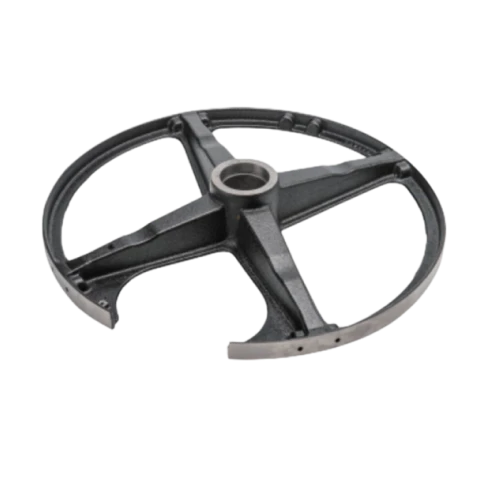
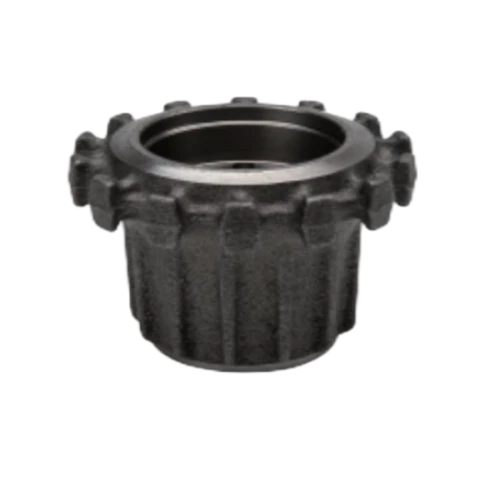
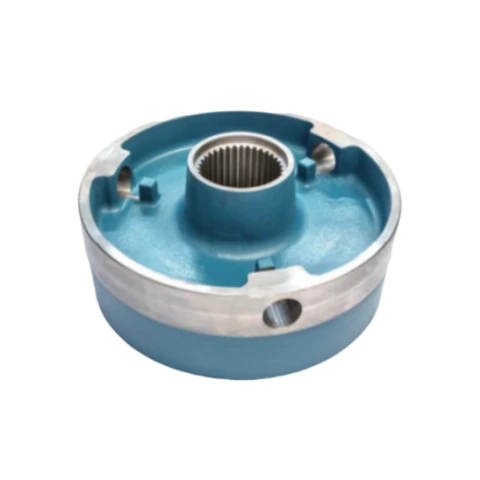
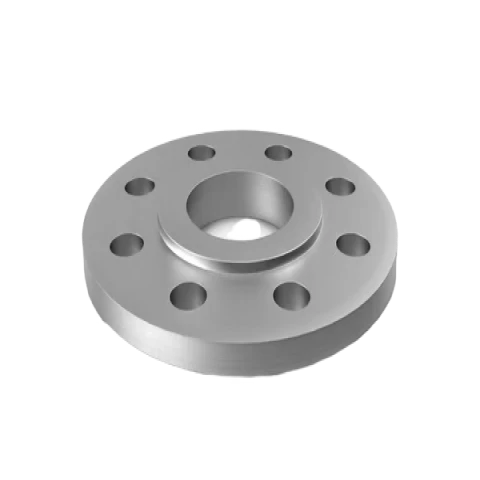
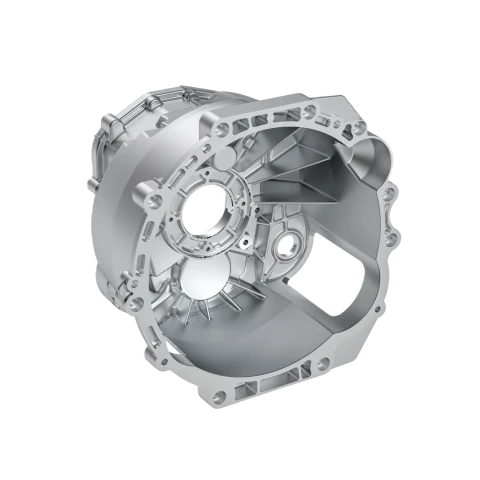
Custom Cast Iron Parts
We manufacture custom cast iron parts in ductile iron QT400–700 and gray iron HT150–350 for OEM customers in appliance, pump, compressor, and industrial equipment sectors. Parts are cast, machined, and inspected in our facility, delivered as finished components ready for assembly. Part weight ranges from under 1 kg to 45 kg.
- Ductile iron QT400–700 and gray iron HT150–350 grades available
- CNC machining to ±0.05 mm tolerance on all critical dimensions
- Finished part weight up to 45 kg
- Surface roughness controlled to drawing specification
- Sand casting and precision machining combined in one production flow
- Bearing housings, pump housings, and structural brackets in current production
- Full dimensional inspection with CMM and spectrometer verification
Service & Delivery
Origin: Jiangyin, Jiangsu, China
OEM/ODM: Custom casting design and machining supported
MOQ: Small batch and prototype orders accepted
Lead Time: Samples 3–5 weeks, production 15–30 days based on order size
Surface Treatment: Shot blasting, painting, powder coating, anti-rust coating
Delivery Terms: FOB, CIF, DDP available
Quality System: IATF 16949, ISO 9001 certified
Specifications
| Parameter | Specification |
| Ductile Iron Grades | QT400-10, QT450-10, QT500-7, QT600-3, QT700-2 (EN-GJS-400, EN-GJS-500, EN-GJS-600, EN-GJS-700) |
| Gray Iron Grades | HT150, HT200, HT250, HT300, HT350 (EN-GJL-150, EN-GJL-200, EN-GJL-250, EN-GJL-300, EN-GJL-350) |
| Casting Process | Sand casting (green sand, resin sand) |
| Part Weight Range | 0.5 kg – 45 kg |
| Machining Tolerance | ±0.05 mm on critical dimensions, general tolerance per ISO 8062 CT8–CT10 |
| Surface Roughness | Ra 1.6–6.3 μm depending on machining requirements |
| Secondary Machining | CNC turning, CNC milling, drilling, tapping, boring, grinding |
| Surface Treatment | Shot blasting, painting, powder coating, anti-rust oil, electrophoresis, blackening |
| Inspection & Testing | CMM dimensional inspection, spectrometer material verification, tensile testing, hardness testing, metallographic analysis |
| Annual Capacity | Small batch to volume production, flexible scheduling based on project requirements |
| File Formats Accepted | STEP, IGES, DWG, DXF, PDF, SolidWorks, Pro/E |
| Quality System | IATF 16949, ISO 9001, ISO 14001 |
Zinc Die Casting Parts We Produce
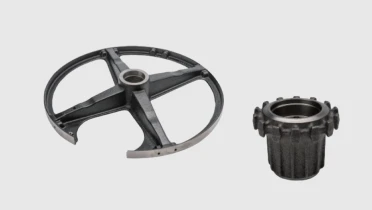
Bearing Housing
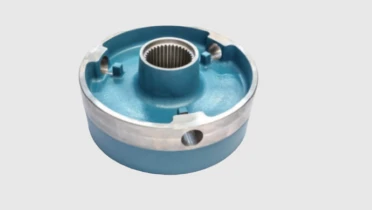
Pump Housing
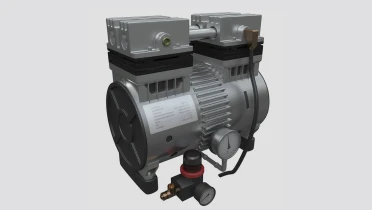
Compressor Cylinder Block
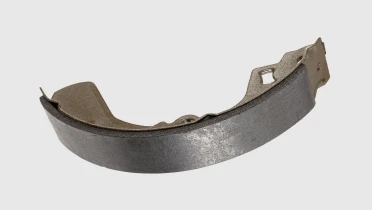
Washing Machine Counterweight
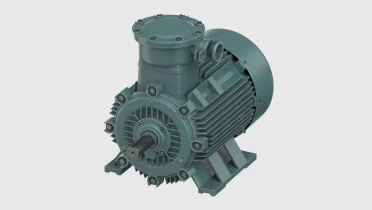
Motor End Bracket
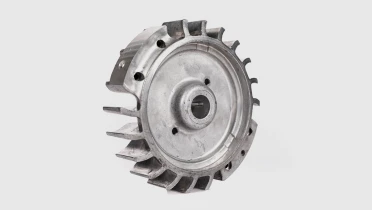
Flywheel Housing
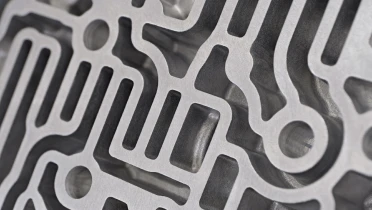
Valve Body
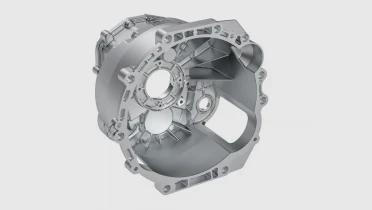
Gearbox Housing
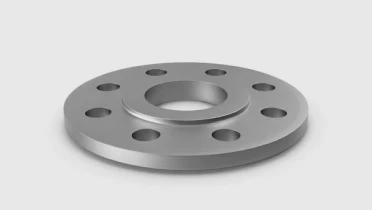
Pipe Fitting Flange
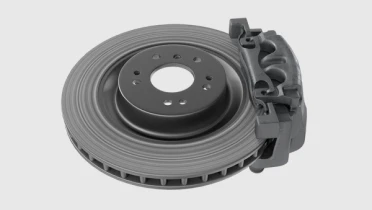
Brake Drum
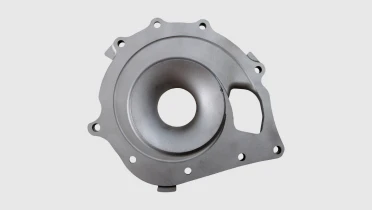
Impeller Housing
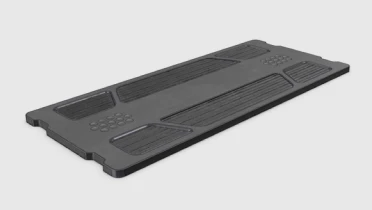
Machine Tool Base
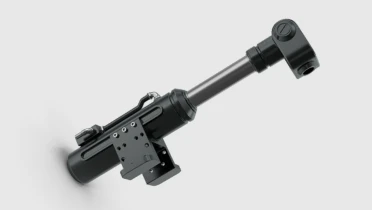
Hydraulic Cylinder Body
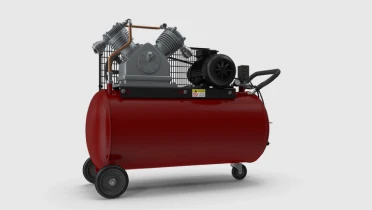
Air Compressor Crankcase
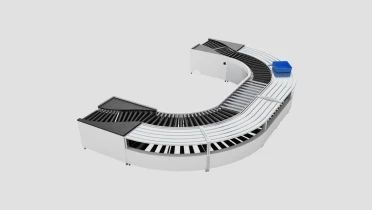
Conveyor Roller Bracket
Agricultural Machinery Housing
How We Support Your Custom Cast Iron Parts
DFM review on your cast iron part drawings within 48 hours
Ductile or gray iron grade recommendation based on your strength, wear, and temperature requirements
Casting pattern and tooling evaluation before production starts
Sample cast iron parts delivered for your dimensional and functional approval
Dedicated engineer from first inquiry to serial delivery
Machining and tolerance adjustments handled within 5–7 working days
Material certificates, dimensional reports, and hardness records shipped with every order
Surface treatment samples confirmed before batch processing begins
From your first inquiry, our team works with you to turn your casting requirements into production-ready parts. We review your drawings for castability, recommend the right iron grade for your application, and confirm machining specifications before committing to any tooling. Throughout the project, your dedicated engineer manages sampling, machining adjustments, and delivery coordination so you receive finished cast iron parts that match your drawings.
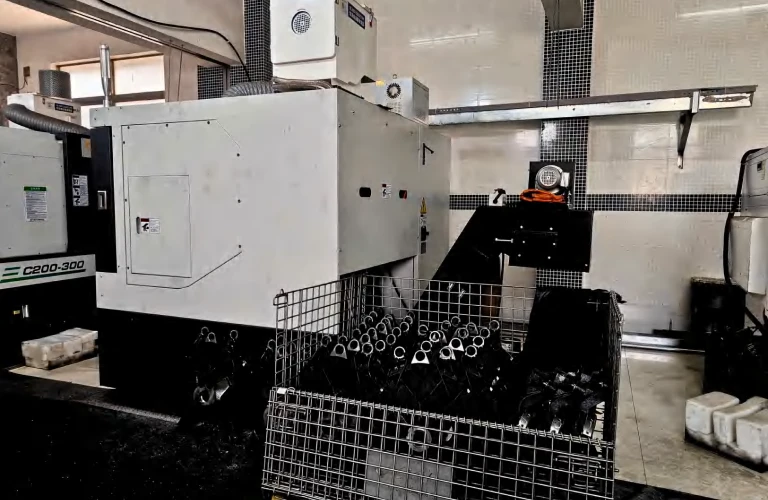
Machined & Finished Cast Iron Parts Delivery
- CNC machining to final dimensions on all cast iron parts
- Surface treatment completed before packaging — shot blasting, painting, powder coating, or anti-rust coating
- Full dimensional and material inspection on every batch
- Custom labeling and packaging to your line-side or warehouse requirements
- Finished parts shipped with material certificates, inspection reports, and hardness records
- One PO from raw casting to boxed delivery
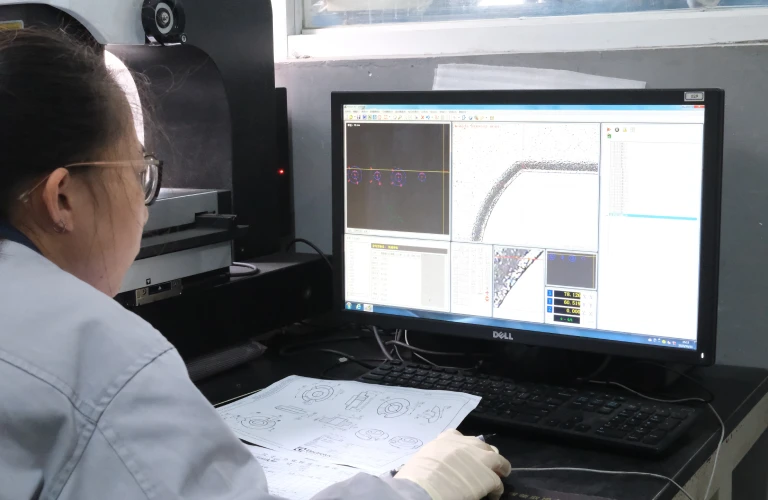
Quality Control for Custom Cast Iron Parts
- Spectrometer verification on all incoming cast iron material
- In-process dimensional checks during CNC machining
- CMM full-dimension inspection on finished parts
- Hardness testing per drawing specification on every batch
- Tensile strength testing for ductile iron parts when required
- Metallographic analysis to verify graphite structure and matrix
- Salt spray testing available for surface-treated parts
- Material certificates, dimensional reports, and inspection photos provided with shipment
- IATF 16949 and ISO 9001 quality management system
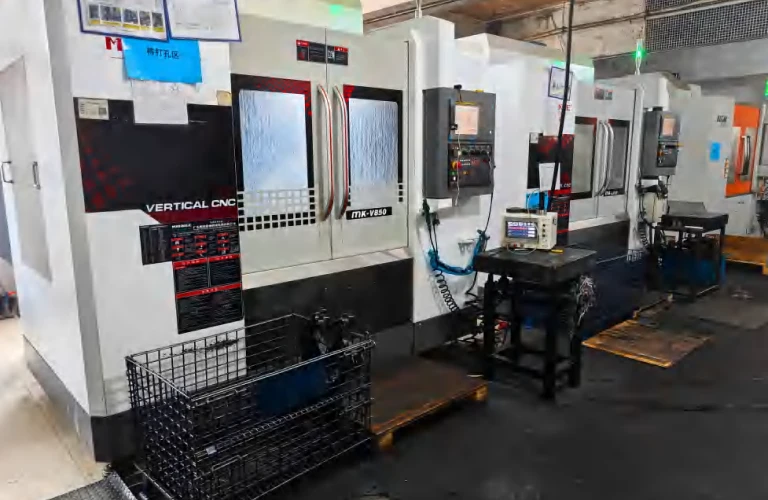
Our Cast Iron Parts Manufacturing Process
- Pattern & Mold Making
- Sand Casting
- Heat Treatment
- CNC Machining
- Surface Treatment
- Inspection & Quality Control
- Packaging & Delivery

MORE ABOUT MEITUO
Meituo is a metal parts manufacturer based in Jiangyin, China, founded in 1999. Our 33,000 m² facility integrates mold design, die casting, machining, stamping, surface treatment, and assembly. We hold IATF 16949 and ISO 9001 certifications and supply OEM parts to home appliance, automotive, and industrial customers in over 30 countries.








FAQ
What cast iron materials do you offer?
What is your minimum order quantity for cast iron parts?
How long does it take from drawing to sample delivery?
What inspection is performed on each order?
Can you machine cast iron parts to tight tolerances?
Do you handle surface treatment for cast iron parts?
Can you produce both small parts and large parts?
Core Composition and Performance Parameters of Mainstream Cast Iron Types
Meituo Metal specializes in the custom production of cast iron parts, focusing on two mainstream categories: ductile iron and gray iron. Both strictly comply with industry production standards, with optimized chemical compositions tailored to different industrial application scenarios to ensure the performance and operational stability of cast iron parts. The following table presents the core composition and key performance parameters of these two cast iron types, which are the actual implementation standards in Meituo's production process, suitable for various industrial customization needs.
| Cast Iron Type | Core Composition Ratio | Tensile Strength (MPa) | Brinell Hardness (HB) | Elongation (%) | Core Performance Characteristics |
|---|---|---|---|---|---|
| Ductile Iron (QT400-700) | C 3.6~3.8%, Si 2.0~2.5%, Mn ≤0.4%, P ≤0.08%, S ≤0.03% | ≥400 | 140-200 | ≥10 | High strength, good ductility, impact resistance, fatigue resistance, excellent dimensional stability |
| Gray Iron (HT150-350) | C 2.8~3.5%, Si 1.8~2.5%, Mn 0.5~0.8%, P ≤0.3%, S ≤0.12% | 150-350 | 160-220 | <1 | Superior compressive strength, excellent vibration damping, good machinability, high thermal conductivity |
Core Principles for Selecting Ductile Iron vs. Gray Iron
The selection of cast iron material directly determines the application effect and service life of custom parts. Combining years of production experience, Meituo's technical team has formulated scientific selection principles centered on the actual operational requirements of parts, accurately matching the usage needs of different industrial scenarios and avoiding part failure caused by improper material selection.
Selection by Load Type
For custom parts subject to tensile loads, impact loads, or alternating loads—such as bearing housings and pump casings—ductile iron is the preferred choice. Its spherical graphite structure effectively disperses stress, preventing cracking or fracture of parts under dynamic stress. The precision of Meituo's ductile iron bearing housings can be controlled within 0.05mm, fully adapting to high-load working conditions. For parts mainly bearing static compressive loads—such as machine tool bases and counterweights—gray iron is the optimal choice. Its flake graphite structure provides excellent compressive performance and can effectively absorb stress generated during equipment operation, improving equipment stability.
Selection by Performance Requirements
For precision equipment accessories with strict requirements for vibration and noise reduction—such as machine tool beds and hydraulic components—gray iron is selected. Its natural vibration-damping properties reduce vibration interference during equipment operation and ensure machining accuracy. For transmission components and engineering machinery parts requiring wear resistance and fatigue resistance, ductile iron is selected for its superior comprehensive mechanical properties, which can adapt to complex working environments.
Selection by Machining Process Requirements
For cast iron parts with complex structures requiring extensive machining, gray iron is preferred. Its chip-breaking property during machining reduces tool wear, improves machining efficiency, and lowers production costs. For parts with relatively simple structures where mechanical properties are more important than machining efficiency, ductile iron is selected. Although it has slightly higher machining difficulty, it eliminates the need for additional reinforcement design, achieving optimal comprehensive costs.
Match Table of Cast Iron Types and Industrial End Applications
Meituo Metal's cast iron parts are widely used in various industrial fields such as home appliances, machinery, pumps and valves, and heavy industry. Combining the usage characteristics of different industries, a standardized material-application matching scheme has been formed. The following table lists the core end-application scenarios of the two cast iron types, which are the mainstream fields where Meituo actually supplies products.
| Cast Iron Type | Core Application Industries | Typical Custom Products | Product Usage Requirements |
|---|---|---|---|
| Ductile Iron (QT400-700) | Pump and Valve Industry | Pump Bodies, Bearing Housings | High compressive strength, impact resistance, good sealing performance, high dimensional accuracy |
| Engineering Machinery Industry | Transmission Components, Brackets | Wear resistance, fatigue resistance, adaptable to complex outdoor working conditions | |
| Home Appliance and Heavy Industry | Large Motor End Covers, Transmission Flanges | High strength, stable operation, low failure rate | |
| Gray Iron (HT150-350) | Machine Tool Manufacturing Industry | Machine Tool Bases, Worktables | High vibration damping, compressive strength, good retention of machining accuracy |
| HVAC Equipment Industry | Heat Dissipation Accessories, Valve Bodies | Excellent thermal conductivity, good machinability, cost controllable | |
| General Machinery Industry | Counterweights, Outer Casings | Good structural stability, high cost performance for mass production |
Core Evaluation Dimensions for Custom Cast Iron Part Quality
As a professional manufacturer of cast iron parts, Meituo Metal has established a comprehensive quality inspection system for cast iron parts. Relying on advanced testing equipment such as fluorescence spectrometers, 3D coordinate measuring machines, and salt spray test chambers, we evaluate the quality of cast iron parts from multiple core dimensions to ensure that each product meets customer customization standards and industry requirements. The following are the industry-common quality evaluation dimensions strictly implemented by Meituo.
1. Material Composition Accuracy
The chemical composition of cast iron is the foundation of its performance. Spectrometers and other equipment are used to detect the content of core elements such as carbon, silicon, manganese, phosphorus, and sulfur, ensuring that the composition is within the design standard range with a deviation controlled within 0.1%. This prevents performance non-compliance of cast iron parts caused by composition deviations.
2. Dimensional and Geometric Accuracy
Custom cast iron parts must meet the customer's precise dimensional requirements. The tolerance of key dimensions strictly follows the drawing standards. For example, the hole position accuracy of Meituo's cast iron bearing housings is controlled within 0.05mm, and the flatness and coaxiality deviations of pump bodies do not exceed the design values. At the same time, geometric tolerances including roundness, cylindricity, and parallelism are inspected to avoid assembly and usage issues caused by deformation.
3. Internal and Surface Quality
Internal quality is inspected using X-ray imaging equipment to ensure no shrinkage cavities, porosity, cracks, or other defects inside the cast iron parts. The diameter of air holes in core stress-bearing parts is controlled within 0.1mm. Surface quality requires no sand holes, inclusions, burrs, or other defects, and the surface roughness meets assembly and usage requirements. When necessary, surface treatments such as polishing and electrophoresis are used to improve surface texture and corrosion resistance.
4. Mechanical Performance Compliance
Electronic tensile testing machines, hardness testers, and other equipment are used to detect key mechanical properties such as tensile strength, Brinell hardness, and elongation of cast iron parts, ensuring that all indicators meet the standards of the corresponding cast iron grades. The performance deviation of products in the same batch is controlled within a reasonable range to ensure product consistency.
5. Environmental and Service Performance
For cast iron parts used in special environments such as outdoor, humid, and corrosive conditions, salt spray tests, high and low-temperature tests, etc., are conducted to detect their corrosion resistance and temperature resistance. This ensures that cast iron parts can operate stably for a long time in actual service environments without rust, deformation, or performance degradation.
Quality Assurance System for Meituo's Cast Iron Part Production
Meituo Metal holds multiple quality system certifications such as ISO9001 and IATF16949, and has established a full-process quality control system from raw material procurement, production process, finished product inspection to delivery. Raw materials are selected from high-quality pig iron and undergo multiple composition inspections. The production process strictly follows 5S management standards and adopts advanced casting and machining processes. In the finished product inspection stage, a 100% initial inspection + random re-inspection system is implemented, and comprehensive quality inspection is achieved relying on high-precision testing equipment to ensure that each custom cast iron part meets the customer's industrial application needs. Meanwhile, Meituo can provide complete quality inspection reports according to customer requirements, allowing customers to have a clear understanding of product quality.