

One-Stop Zinc Die Casting Supply
Flexible Order Size
Factory-Direct Pricing
Engineering Support from Day One
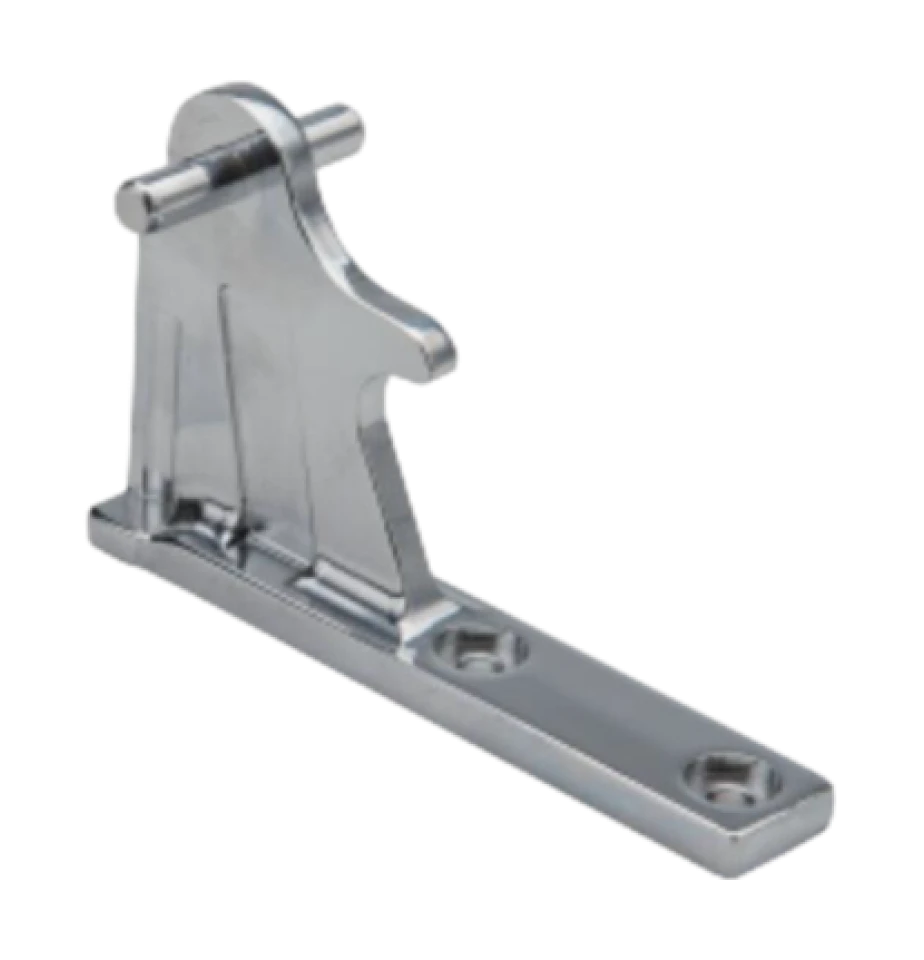
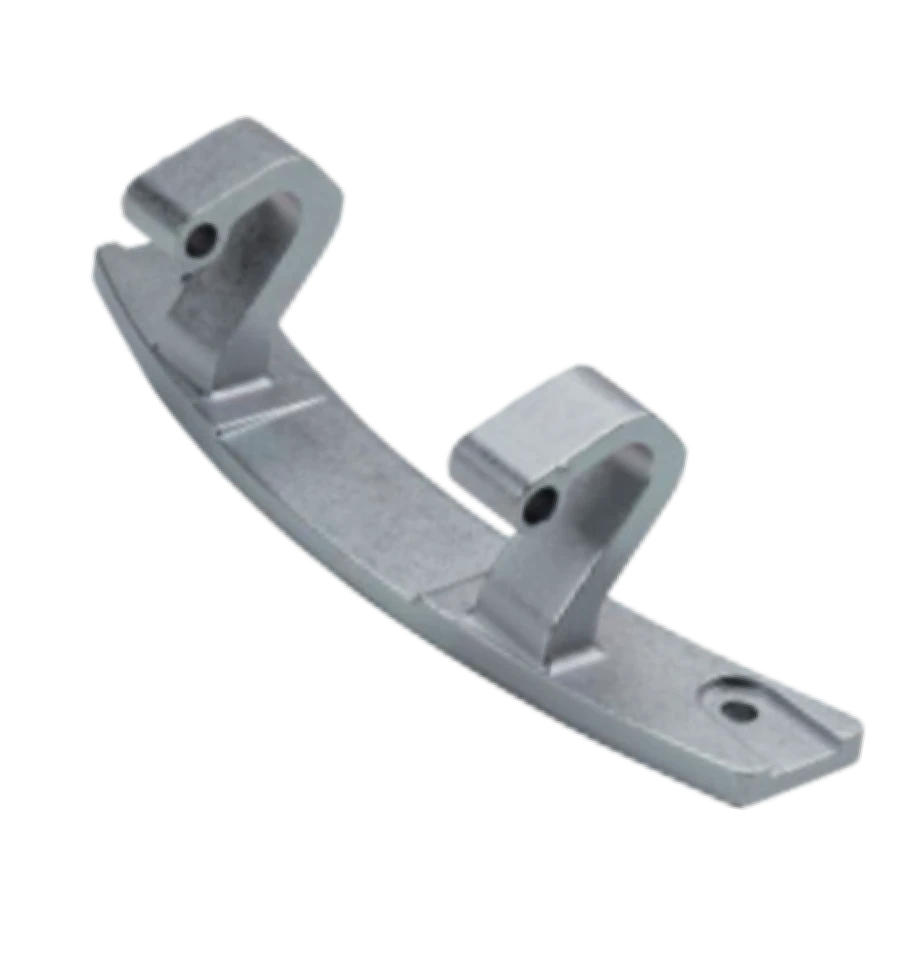
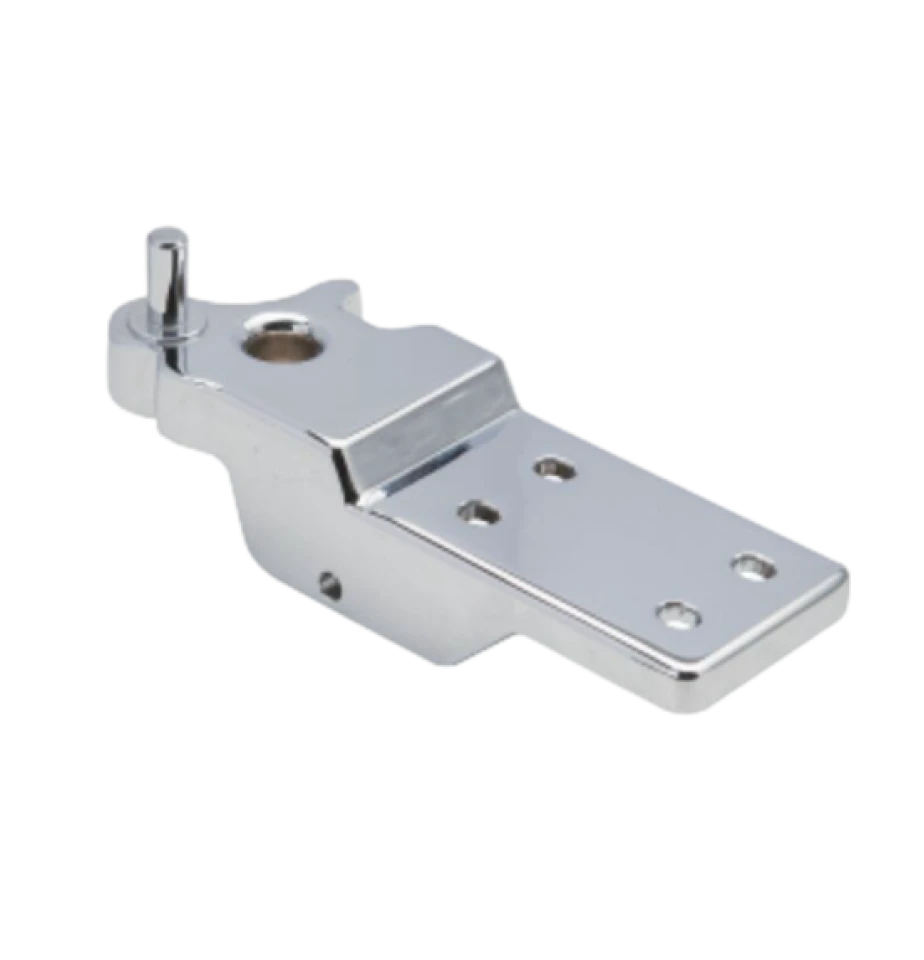
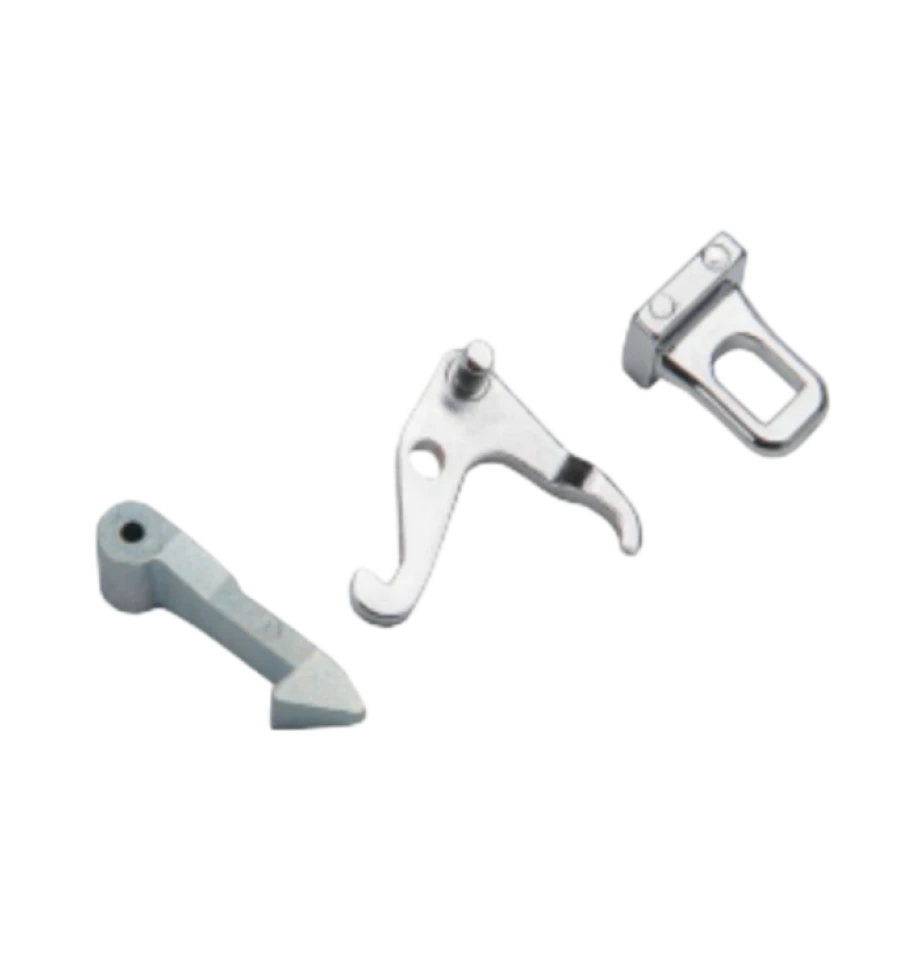
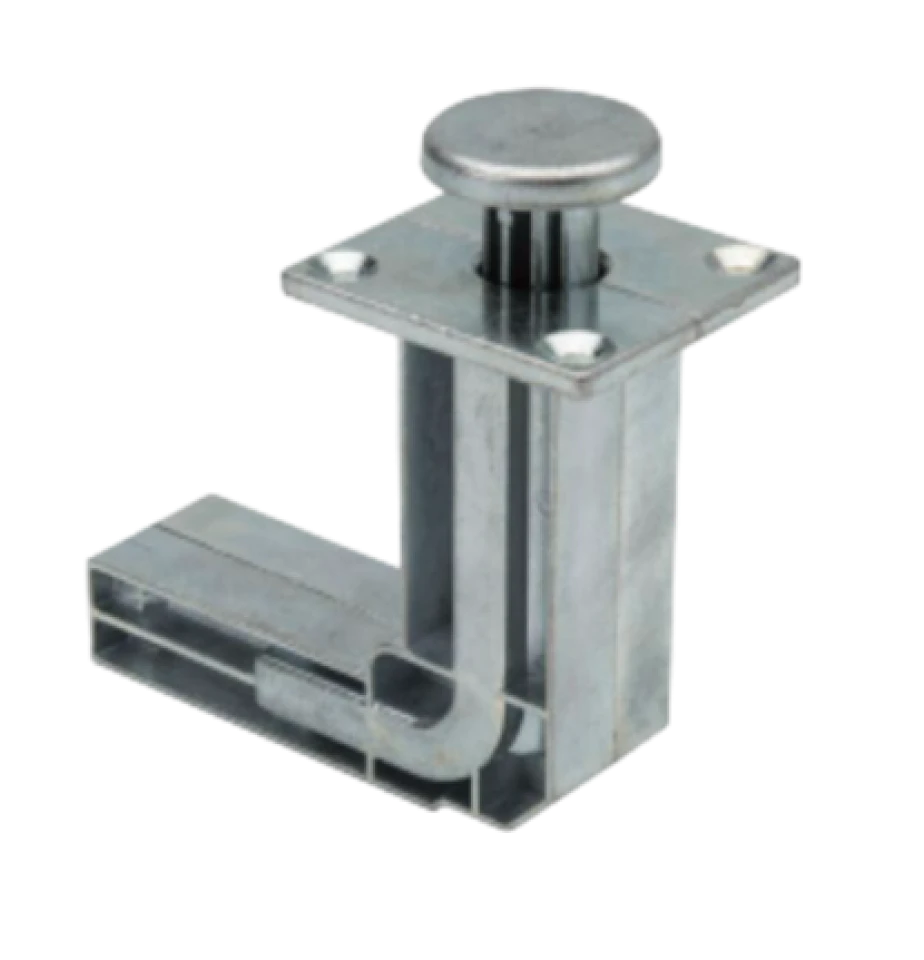
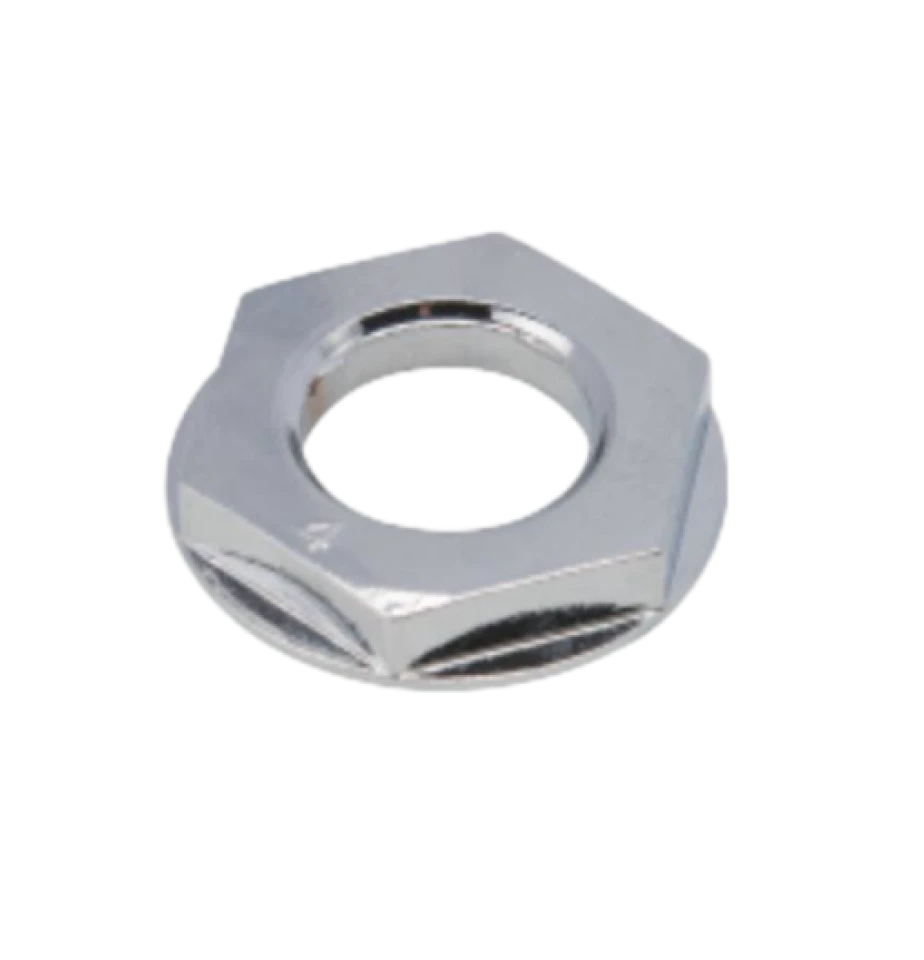
Custom Zinc Alloy Die Casting Parts
We manufacture custom zinc alloy die casting parts in Zamak 3 and Zamak 5 for OEM customers worldwide. Our zinc casting capabilities cover small precision hardware, structural housings, and multi-part assemblies used in home appliances, automotive systems, refrigeration equipment, and industrial machinery. Every part is produced, machined, and finished in our own facility.
- Hot chamber die casting with machines from 88T to 400T
- Zamak 3 and Zamak 5 zinc casting alloys available
- Multi-cavity mold design up to 8 cavities, mold life exceeding 500,000 shots
- Mirror polishing, chrome plating, electrophoresis, and powder coating in-house
- Thin-wall casting capability down to 0.3 mm
- Sub-assembly and insert die casting for ready-to-install components
- Dimensional accuracy with tolerances as tight as ±0.05 mm
Service & Delivery
Origin: Jiangyin, Jiangsu, China
OEM/ODM: Full custom design and branding supported
MOQ: Low-volume prototype orders accepted, no strict minimum for new projects
Lead Time: Mold 7–25 days, production 12–25 days based on order size
Surface Finishing: Chrome plating, mirror polishing, electrophoresis, powder coating, galvanizing
Delivery Terms: FOB, CIF, DDP available
Quality System: IATF 16949, ISO 9001 certified
Specifications
| Alloy Material | Zamak 3 (ASTM AG40A / EN ZnAl4), Zamak 5 (ASTM AC41A / EN ZnAl4Cu1), other Zamak grades available on request |
| Casting Process | Hot chamber die casting |
| Machine Tonnage | 88T, 160T |
| Part Weight Range | 5g to 3kg |
| Minimum Wall Thickness | 0.3mm |
| Dimensional Tolerance | ±0.05mm (standard); tighter tolerances achievable with secondary CNC machining |
| Mold Cavities | Single cavity to 8-cavity layouts; mold life exceeds 300,000 shots |
| Secondary Machining | CNC milling, CNC turning, drilling, tapping |
| Deburring | Manual deburring, vibratory finishing, shot blasting |
| Surface Treatment | Chrome plating, mirror polishing, electroplating (E-coating), powder coating, zinc plating, passivation |
| Assembly Services | Insert die casting, sub-assemblies, multi-component assemblies |
| Quality & Inspection | CMM measurement, X-ray inspection, spectrometer material analysis, salt spray testing, IATF 16949, ISO 9001, RoHS 1.0 compliant |
How We Support Your Zinc Die Casting Project
Free DFM analysis on your part drawings within 48 hours
Zinc alloy material recommendation based on your application requirements
Mold flow simulation to optimize gating, venting, and parting line design
Prototype samples delivered before mass production tooling is finalized
Dedicated project engineer assigned from first inquiry to ongoing production
Design change support with mold modification turnaround within 5–7 working days
Full quality inspection records provided with every shipment for traceability
Surface finish samples provided for approval before batch production starts
Every zinc die casting project at Meituo follows a clear, structured process. From the moment you send us a drawing or product concept, our engineering team gets involved. We review your part design for manufacturability, recommend the right alloy grade, and propose mold solutions before any tooling commitment. Throughout production, you have direct access to our project engineers for technical questions, design adjustments, and schedule coordination. Our goal is to reduce your development time and eliminate surprises between prototype approval and mass delivery.
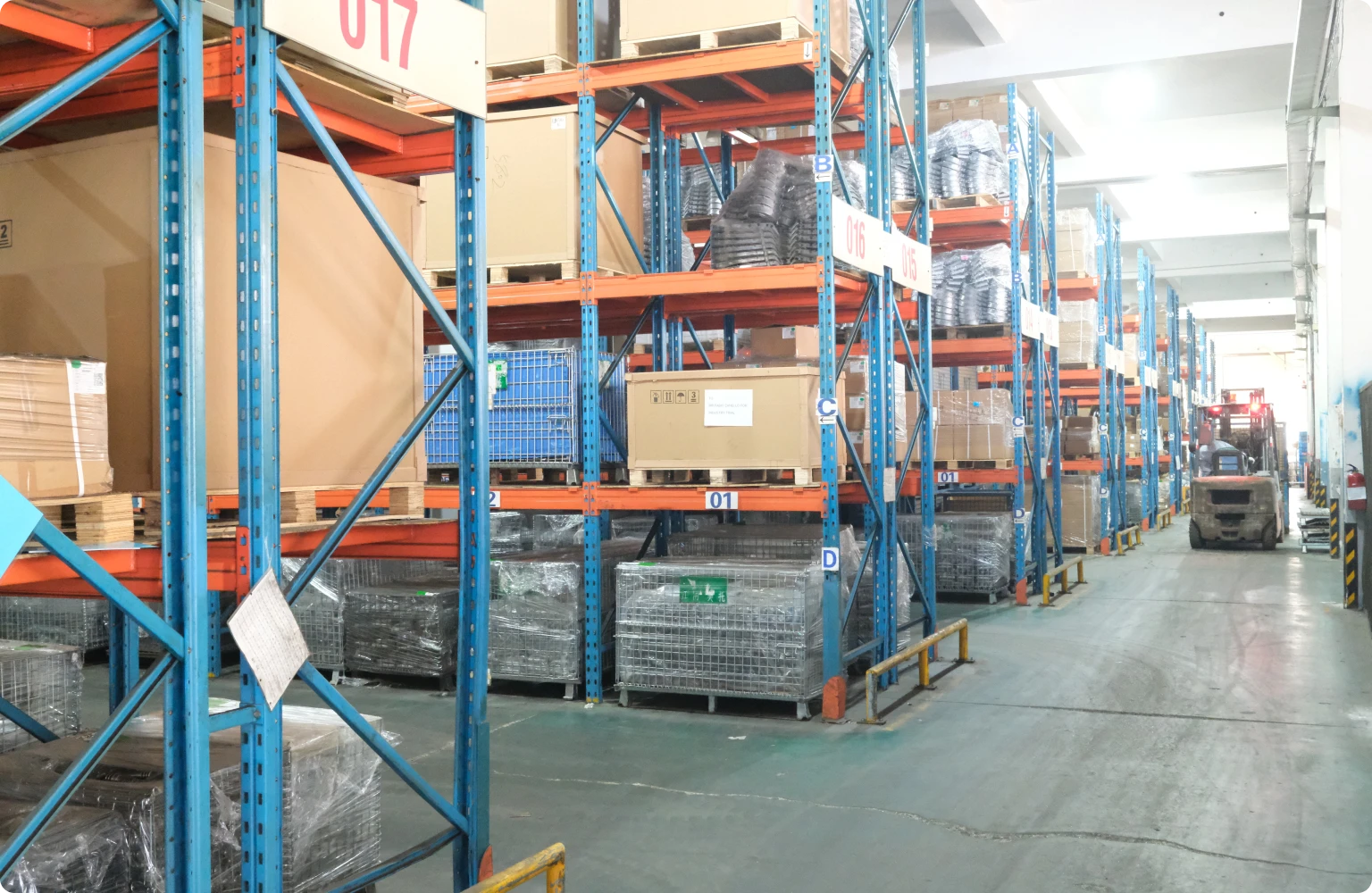
Integrated Assembly & Delivery
·Insert die casting with embedded shafts, pins, or bushings
·Multi-part sub-assembly with fastening, riveting, or press-fit
·Surface finishing completed before assembly
·Custom labeling and line-side packaging
·Finished components inspected as complete units
·One PO from raw casting to boxed delivery
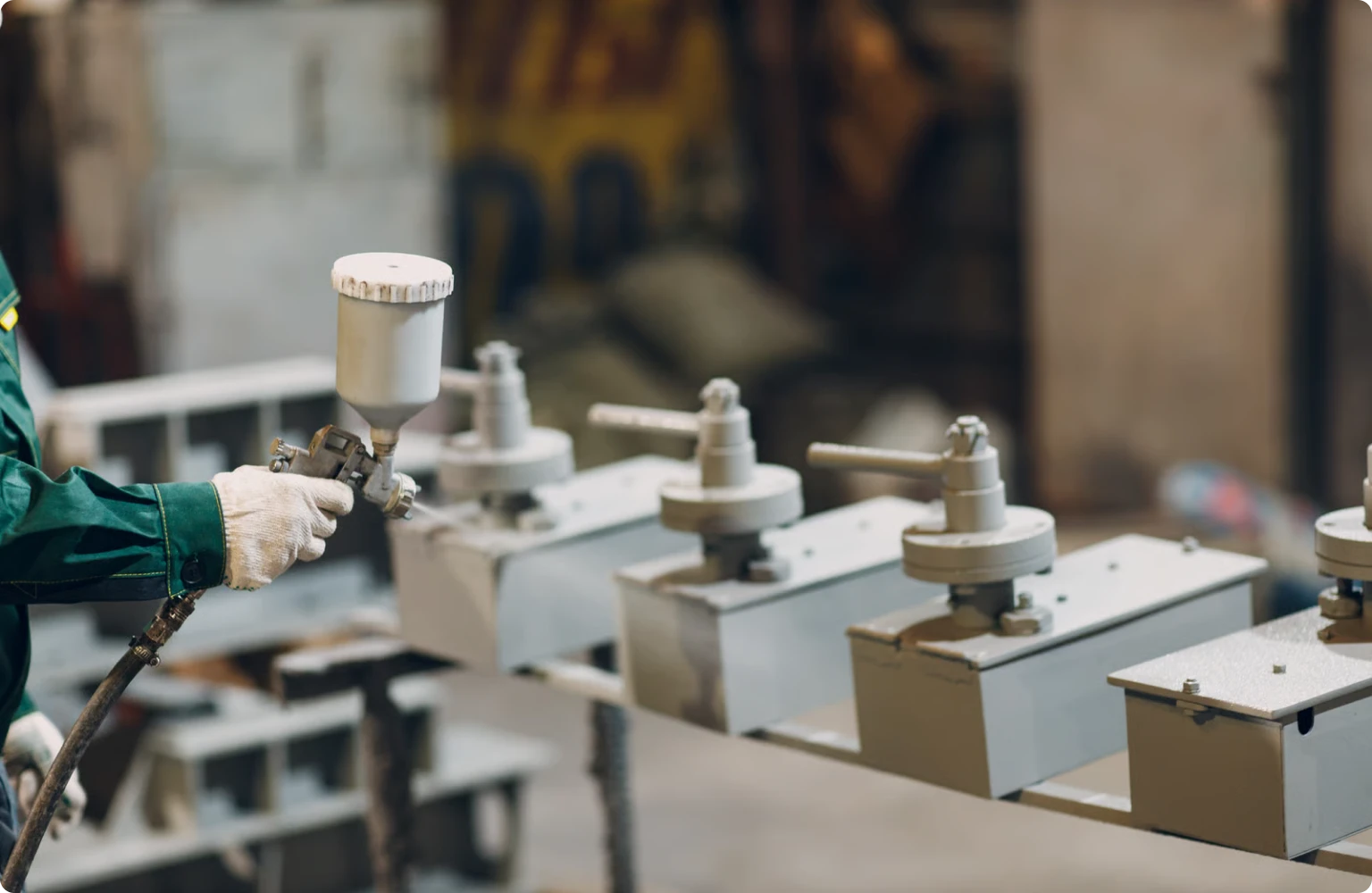
Surface Treatment Options
·Chrome plating
·Mirror polishing
·Electrophoresis (E-coating)
·Powder coating
·Galvanizing
·Passivation
·Shot blasting
·Nickel plating
Our Zinc Die Casting Process
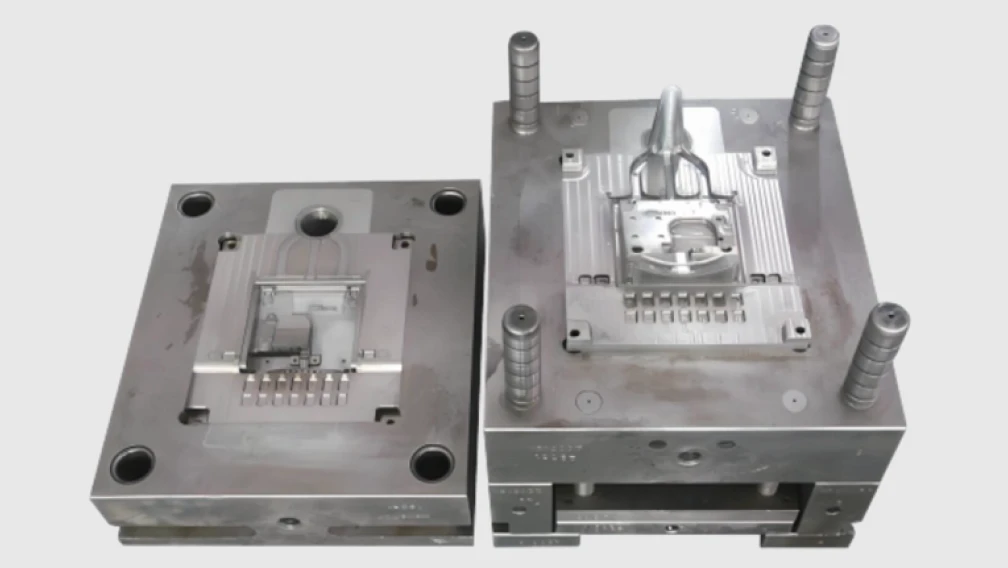
Mold Design & Tooling
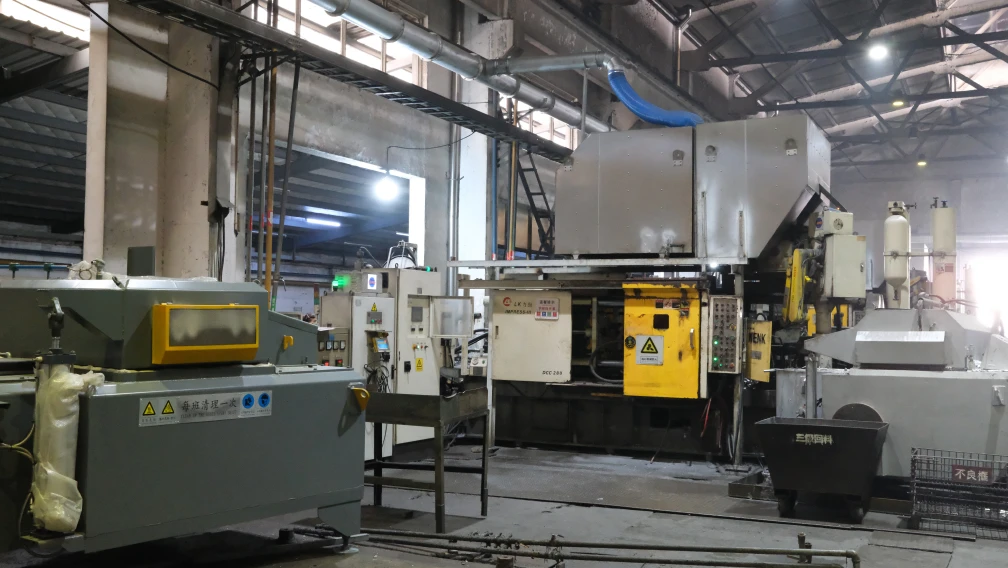
Die Casting
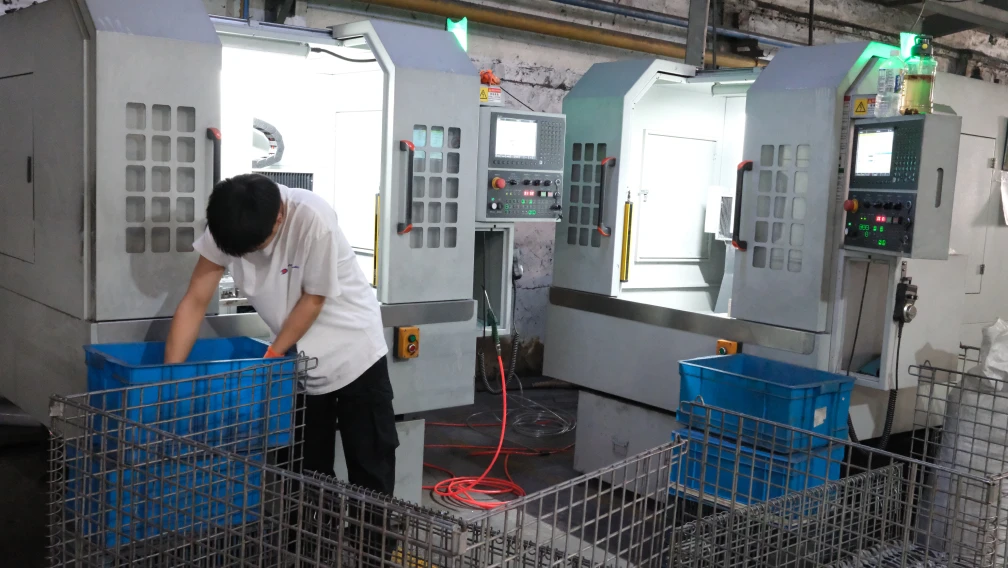
CNC Machining
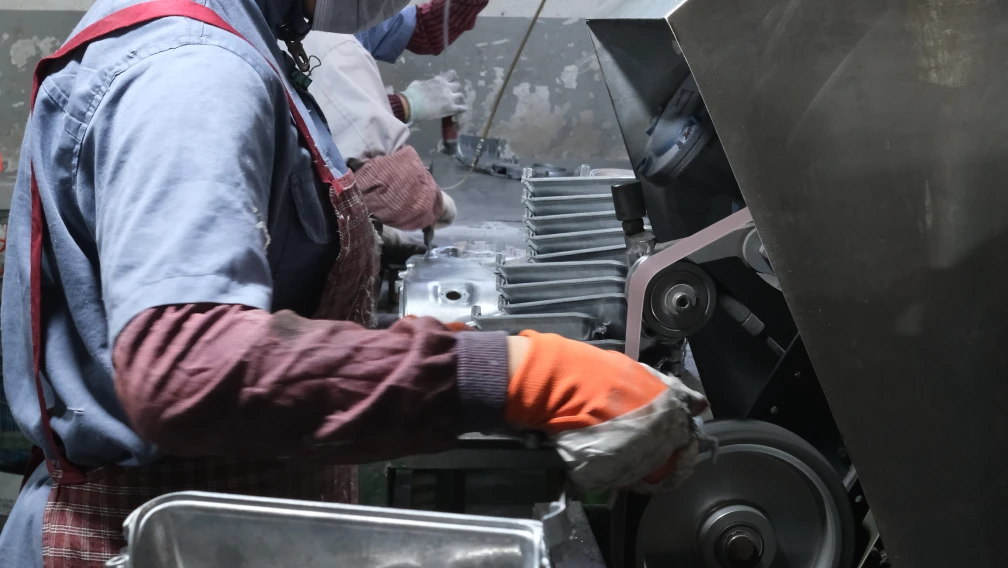
Deburring & Trimming
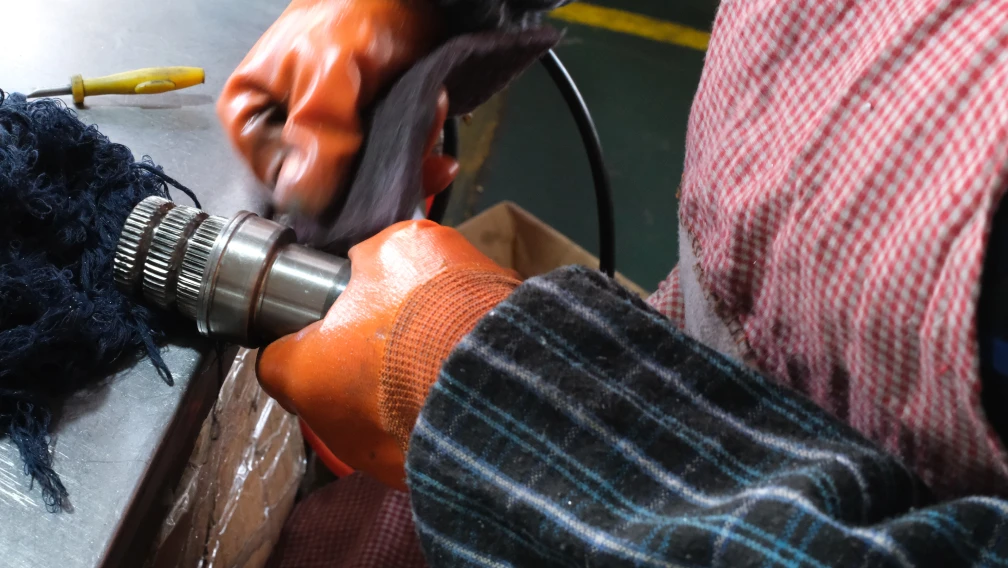
Surface Treatment
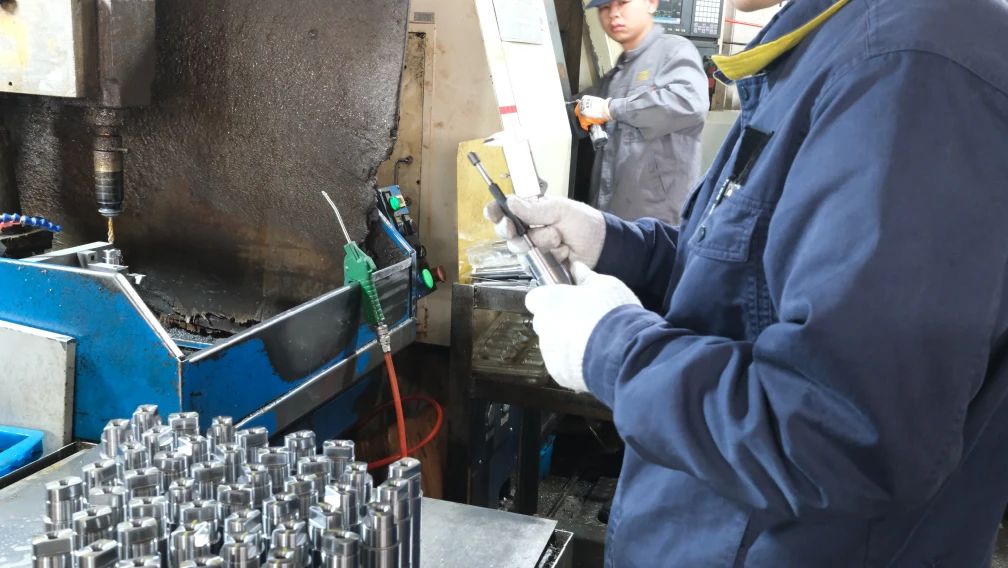
Inspection & Quality Control
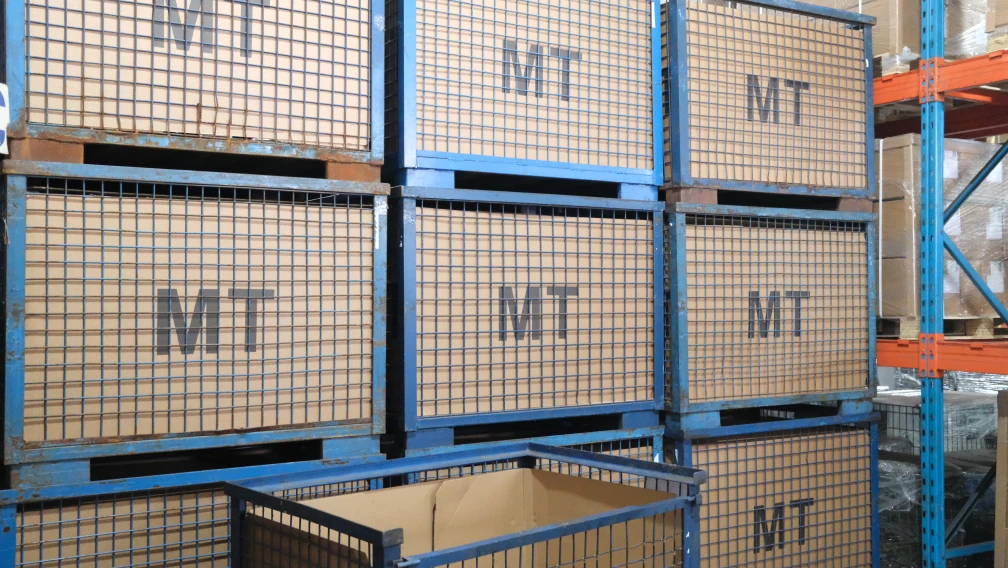
Assembly & Packaging

MORE ABOUT MEITUO
Meituo is a metal parts manufacturer based in Jiangyin, China, founded in 1999. Our 33,000 m² facility integrates mold design, die casting, machining, stamping, surface treatment, and assembly. We hold IATF 16949 and ISO 9001 certifications and supply OEM parts to home appliance, automotive, and industrial customers in over 30 countries.








FAQ
What zinc alloy materials do you use for die casting?
How long does it take from drawing to first samples?
What is the minimum order quantity for zinc die casting parts?
What surface finishes can you apply to zinc die cast parts?
Can you handle both decorative appearance parts and internal structural parts?
Do you provide mold design or do we need to supply our own tooling?
What inspections do you perform on zinc die casting parts?
Understanding Zinc Die Casting — Materials, Process, and Selection
Zinc Casting Alloys Overview
Zinc die casting alloys fall into three main families: Zamak, ZA, and ACuZinc. Each serves different performance requirements in terms of strength, castability, and cost.
The Zamak series is the dominant material in zinc die casting, accounting for over 95% of global production volume. The name Zamak comes from the German initials of its constituent elements — Zinc, Aluminium, Magnesium, and Kupfer (copper). All Zamak alloys use zinc as the base metal (approximately 95% by weight), with small additions of aluminium, magnesium, and copper to improve mechanical performance while retaining zinc's low melting point and excellent castability.
Zamak Series
Zamak 3 is the most widely used grade. It contains no copper, offers the best fluidity and dimensional stability among all Zamak alloys, and is the default choice for most zinc die casting applications. Zamak 5 adds approximately 1% copper, which increases tensile strength, hardness, and creep resistance — making it suitable for parts under sustained mechanical load. Zamak 2 has the highest copper content in the series (typically 3.5–4.0%), delivering the strongest mechanical properties, but its reduced castability limits it to specialized applications. Zamak 7 is a high-purity version of Zamak 3 with tighter control on impurities such as lead, cadmium, and iron, providing improved fluidity for thin-wall parts and better as-cast surface quality.
ZA Series and ACuZinc
ZA alloys (ZA-8, ZA-12, ZA-27) contain significantly more aluminium than Zamak — from 8% up to 27%. Higher aluminium content improves strength and reduces density, but decreases fluidity. ZA-8 can be processed by both hot chamber and cold chamber die casting. ZA-12 and ZA-27 are not suitable for hot chamber processing and are typically produced by cold chamber die casting, gravity casting, or sand casting. ACuZinc contains around 5–6% copper, delivering strength and hardness approaching cast iron levels, but at higher material cost and lower castability. Both ZA and ACuZinc serve niche applications where standard Zamak grades cannot meet the mechanical requirements.
Zamak Material Comparison
* Tensile strength values are typical reference values under standard test conditions. Actual performance may vary by casting parameters and part geometry.
| Grade | Cu Content | Tensile Strength | Castability | Typical Use |
| Zamak 3 | None | 283 MPa | Excellent | General purpose, most zinc die cast parts |
| Zamak 5 | ~1% | 331 MPa | Very good | Load-bearing parts, higher strength requirements |
| Zamak 2 | 3.5–4.0% | 359 MPa | Moderate | High-strength specialized components |
| Zamak 7 | None | 283 MPa | Excellent | Thin-wall parts, high surface finish requirements |
Why Zinc for Die Casting — Comparison with Other Metals
Zinc, aluminium, magnesium, and copper alloys are the four main material families used in die casting. Each has distinct advantages depending on part size, weight sensitivity, operating temperature, production volume, and surface finish requirements. The table below provides a practical comparison to help with material selection decisions.
| Zinc Alloy | Aluminium Alloy | Magnesium Alloy | Copper Alloy | |
| Melting Point | 380–420 °C | 580–660 °C | 470–530 °C | 900–1000 °C |
| Density | 6.6 g/cm³ | 2.7 g/cm³ | 1.8 g/cm³ | 8.5 g/cm³ |
| Min Wall Thickness | 0.3 mm | 1.0 mm | 0.6 mm | 1.5 mm |
| Mold Life | 500K–1M+ shots | 50K–150K shots | 100K–300K shots | 10K–50K shots |
| Cycle Time | Fastest | Moderate | Fast | Slow |
| Surface Finish | Best as-cast finish, ideal for plating | Good, anodizing common | Good, requires coating | Good, natural corrosion resistance |
| Heat Resistance | Long-term ≤80 °C, performance drops above 100 °C | Up to ~200 °C | Up to ~150 °C | Up to ~400 °C |
| Best For | Small precision parts, high volume, decorative hardware | Structural parts, lightweight components | Ultra-light enclosures, electronics | Wear-resistant parts, electrical conductors |
Zinc alloy stands out in applications where production volume is high, part geometry is complex, wall thickness is thin, and surface finish quality matters. The low melting point of zinc (380–420 °C) is the root cause of most of its manufacturing advantages — it allows the use of hot chamber die casting, which keeps cycle times short, extends mold life significantly, and enables finer detail reproduction than cold chamber processes used for aluminium.
Where zinc is less suitable is in weight-sensitive applications and high-temperature environments. At a density of 6.6 g/cm³, zinc parts weigh approximately 2.4 times as much as aluminium equivalents of the same volume. And zinc alloy mechanical properties begin to degrade noticeably above 80 °C for continuous use, with significant performance loss above 100 °C — ruling it out for engine-adjacent or exhaust-related components. For these cases, aluminium or magnesium alloys are the better choice.
How Zinc Alloys Are Made — The Role of Solid Solution
Zinc alloy production relies on a metallurgical principle called solid solution. Pure zinc is melted first at around 420 °C, and small quantities of aluminium, copper, and magnesium are added into the molten zinc. Although copper has a melting point of 1,085 °C, it does not need to reach that temperature to become part of the alloy. When added in small amounts, copper dissolves into the liquid zinc much like salt dissolves in hot water — the solvent (zinc) absorbs the solute (copper) as long as the quantity stays within its solubility limit.
In the Zamak system, aluminium (about 4%) improves fluidity and tensile strength. Magnesium (about 0.03–0.06%) reduces intergranular corrosion and improves creep resistance at trace levels. Copper (0–4% depending on grade) increases hardness and strength but must be controlled carefully — exceeding the solubility limit causes segregation, leading to uneven mechanical properties and dimensional instability in finished castings.
This is why Zamak alloys are produced to tightly controlled compositions. Even small variations in alloying element percentages can affect casting behavior, surface quality, and long-term part performance. At Meituo, incoming zinc alloy ingots are verified by spectrometer before entering production to ensure material composition meets specification.
Hot Chamber vs Cold Chamber — Why Zamak Uses Hot Chamber
Die casting machines come in two types: hot chamber and cold chamber. The key difference is where the injection system sits relative to the molten metal. In a hot chamber machine, the injection mechanism (gooseneck and plunger) is submerged directly in the molten alloy. In a cold chamber machine, molten metal is ladled into a separate injection sleeve for each shot.
Standard Zamak alloys use hot chamber die casting because their low melting point does not damage the submerged injection components. This setup provides two practical advantages: faster cycle times (since the metal does not need to be transferred from a separate furnace) and less material oxidation (since the metal stays enclosed in the system). The result is higher throughput, lower scrap rates, and more consistent shot-to-shot quality. Higher-aluminium zinc alloys such as ZA-12 and ZA-27 are typically processed on cold chamber machines or by gravity casting, as their elevated aluminium content increases the operating temperature beyond what hot chamber components can handle long-term.
Aluminium alloys cannot use hot chamber machines because their melting temperature (580–660 °C) would rapidly erode the submerged steel injection components. This is why aluminium die casting runs exclusively on cold chamber equipment, which has inherently longer cycle times and higher per-shot operating costs than hot chamber.
When to Choose Zinc Die Casting
Zinc die casting is the right process when your project requires complex geometry with thin walls, tight dimensional tolerances without extensive secondary machining, high-volume production at fast cycle speeds, and high-quality decorative surface finishes such as chrome plating or mirror polishing. It is particularly cost-effective for small to medium-sized parts under 3 kg where annual volumes justify tooling investment — we break down the numbers in detail in our zinc die casting cost guide.
If your parts need to operate continuously above 80 °C, require minimal weight, or exceed several kilograms in size, aluminium die casting is likely a better fit. Meituo operates both zinc and aluminium die casting lines — our engineering team can help you evaluate which process best matches your part requirements and production goals.