

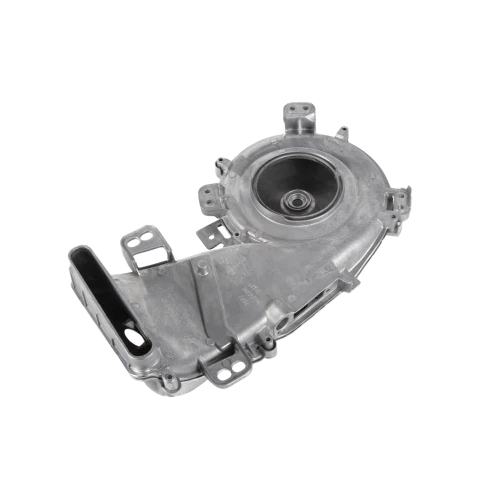
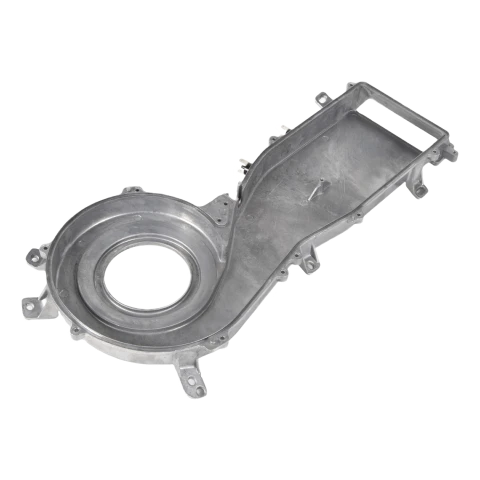
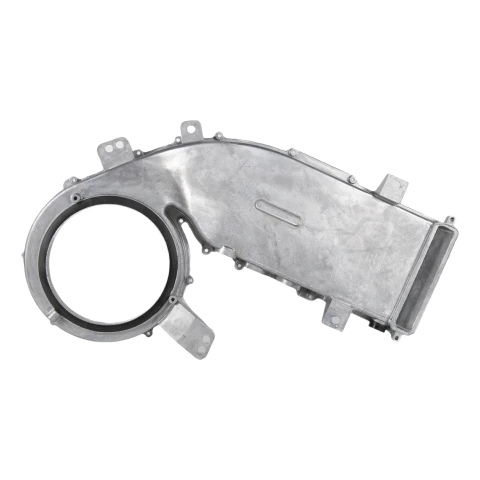
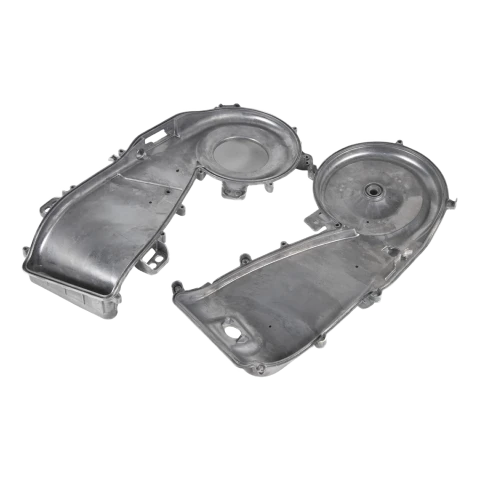
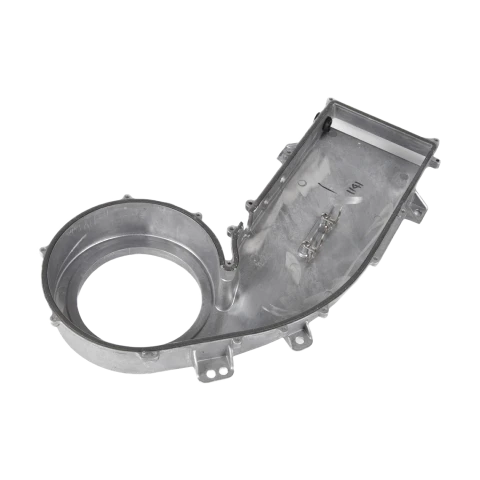
Washing Machine Air Duct
Our aluminum die-cast air ducts are produced for washing machine and dryer platforms, supplying OEM clients who need consistent wall thickness, tight flatness tolerances, and reliable surface finish at volume. Wall thickness 1.8mm, flatness within 0.7mm.
- Wall thickness 1.8 mm, flatness within 0.7 mm
- Aluminum alloy die casting, good thermal conductivity and corrosion resistance
- Tight dimensional control across high-volume runs
- In-house mold design and tooling — no third-party mold shops
- X-ray inspection and CMM verification available
- Long-term OEM supply to major appliance brands
Service & Delivery
Origin: Jiangyin, Jiangsu, China
OEM/ODM: Custom tooling from your drawings or reference samples
MOQ: Flexible — supports sample orders through to annual volume programs
Lead Time: Mold 4–6 weeks / First samples 1–2 weeks after mold / Production 15–25 days
Surface Treatment: Shot blasting, powder coating, anti-rust coating available
Delivery Terms: FOB, CIF, DDP available
Quality System: IATF 16949, ISO 9001, ISO 14001 certified
Serving Brands: Hisense, Midea, Samsung, Electrolux, BSH, Whirlpool and more
Specifications
| Parameter | Specification |
|---|---|
| Product Name | Washing Machine Air Duct / Dryer Air Channel |
| Manufacturing Process | Aluminum alloy die casting |
| Wall Thickness | 1.8 mm |
| Flatness Tolerance | Within 0.7 mm |
| Surface Treatment | Shot blasting; powder coating and anti-rust coating available |
| Tooling Capability | In-house mold design using UG 3D modeling and JSCAST simulation |
| Die Casting Equipment | 20 aluminum alloy die casting machines, 160T–1,250T |
| Quality Inspection | CMM dimensional verification, X-ray imaging, image measuring instrument |
| Quality Certifications | IATF 16949, ISO 9001, ISO 14001, ISO 45001 |
| Customization | OEM/ODM — from customer drawings or reference samples |
| Mold Lead Time | 4–6 weeks |
| First Sample Lead Time | 1–2 weeks after mold completion |
| Production Lead Time | 15–25 days |
| MOQ | Flexible — sample orders to annual volume programs |
| Origin | Jiangyin, Jiangsu, China |
| Delivery Terms | FOB, CIF, DDP available |
How We Manufacture Washing Machine Duct
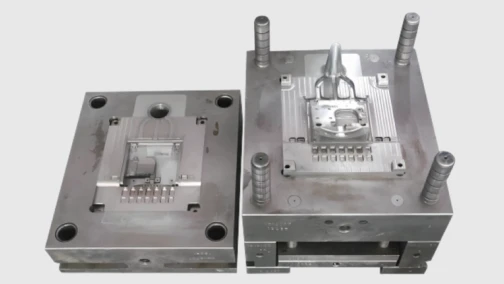
Mold
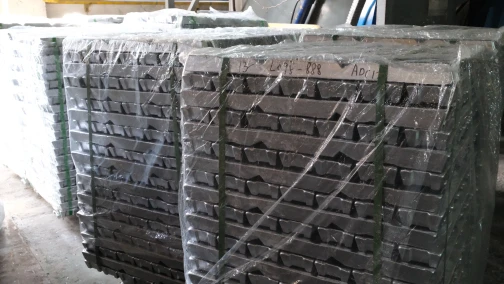
Raw Materials
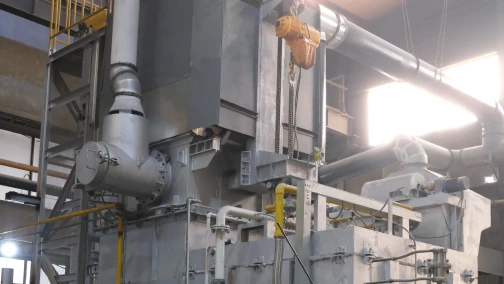
Smelting
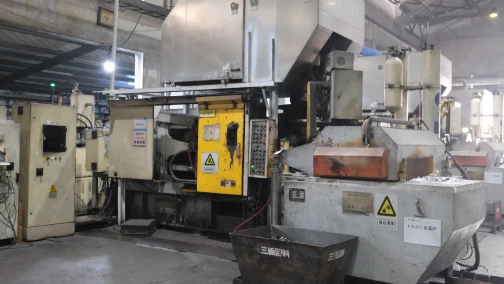
Die Casting
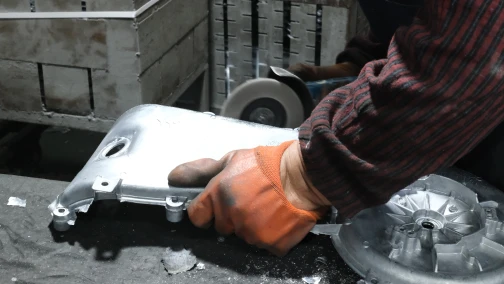
Processing
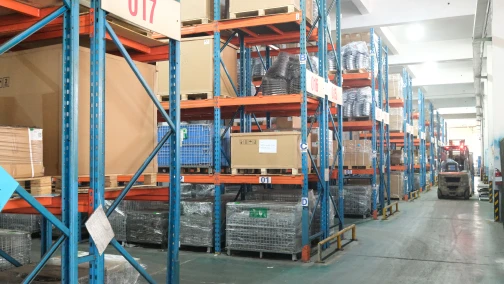
Warehouse

MORE ABOUT MEITUO
Meituo is a metal parts manufacturer based in Jiangyin, China, founded in 1999. Our 33,000 m² facility integrates mold design, die casting, machining, stamping, surface treatment, and assembly. We hold IATF 16949 and ISO 9001 certifications and supply OEM parts to home appliance, automotive, and industrial customers in over 30 countries.








FAQ
What is a washing machine air duct made of?
Can you produce air ducts to match our existing washing machine platform?
How do you ensure dimensional consistency in volume production?
What surface treatments are available for washing machine air ducts?
Washing Machine Air Duct: Function, Materials, and How It Is Made
What Is a Washing Machine Air Duct?
A washing machine air duct — also referred to as a dryer air channel or washing machine duct — is a structural airflow component used in washing machines and washer-dryer combos. It channels conditioned or heated air through the drum system, connecting the heating element or fan assembly to the drum interior. In condenser dryer and heat pump dryer platforms, the duct also plays a role in directing exhaust airflow back through the condensing circuit.
The part sits within a tightly constrained assembly space and must interface precisely with adjacent components including the drum housing, fan cover, and heating unit. Dimensional accuracy is not optional — a poor-fitting duct creates airflow leakage, reduces drying efficiency, and can cause thermal issues in the surrounding assembly.
Role of the Air Duct in Washing Machine and Dryer Systems
In a standard washer-dryer or condenser dryer, air is heated, passed through the drum to pick up moisture from the laundry, then directed through a condensing or exhaust path. The air duct forms part of this airflow circuit. Its internal geometry — channel width, wall profile, and port alignment — directly affects how efficiently air moves through the system.
Beyond airflow, the duct also functions as a structural element within the machine cabinet. It bears contact loads from adjacent panels and must maintain its shape under repeated thermal cycling. This is why wall thickness consistency matters in production: a part that measures correctly on a sample but varies across a batch will cause assembly variation and potential field failures.
Why Aluminum Die Casting Is the Standard Manufacturing Method
Most washing machine air ducts in OEM appliance production are made from aluminum alloy via high-pressure die casting. The reasons are practical.
| Property | Aluminum Die Cast | Plastic Injection Molded |
|---|---|---|
| Heat resistance | Good — suitable for heated airflow environments | Depends on grade — some plastics deform under sustained heat |
| Dimensional stability | High — low thermal expansion, holds tolerance well | Variable — can creep or warp under thermal cycling |
| Wall thickness control | Consistent across batches with proper process control | Generally consistent but depends on mold and material |
| Corrosion resistance | Good — especially with surface treatment | Inherently resistant but limited structural strength |
| Structural rigidity | High | Lower — not suitable where load-bearing is required |
For washing machine platforms where the duct must handle warm or hot airflow and fit within a precision-assembled cabinet, aluminum die casting is the reliable choice. Plastic components are used in some lower-cost or non-thermal-path applications, but for the main air duct in a heat-cycle system, aluminum is the industry standard.
How Washing Machine Air Ducts Are Made
Mold Design
The process starts with mold design. For a washing machine air duct, the mold engineer needs to account for the part's thin wall structure, internal channel geometry, and the draft angles required for clean part ejection. We use UG 3D modeling software and JSCAST casting flow simulation to validate the mold design before cutting steel. This includes checking for potential shrinkage locations, verifying gate placement, and confirming that the cooling system design will support consistent wall thickness across the cavity.
Die Casting
The part is produced using high-pressure aluminum alloy die casting. Molten aluminum is injected into the mold cavity at high speed and pressure, filling the complex internal geometry of the duct in a single shot. Our die casting workshop operates 20 machines ranging from 160T to 1,250T. For a washing machine air duct at 1.8 mm wall thickness, process parameters — injection speed, pressure profile, and mold temperature — are set and held consistently to avoid porosity or fill defects.
Post-Casting Processing
After ejection, parts go through shot blasting to clean the casting surface and remove any flash. Where required, additional machining operations are carried out to hit critical interface dimensions. For air duct applications, flatness of the mating faces is a key post-processing target — we hold this to within 0.7 mm across the part.
Surface Treatment
Depending on the application and customer specification, surface treatment options include powder coating and anti-rust coating. Shot blasting alone is sufficient for many OEM internal applications where the part is not visible in the finished product.
Inspection
Before shipment, batches are checked using CMM dimensional verification and image measuring instruments. X-ray inspection is available for internal defect detection where specified. Our quality process operates under IATF 16949, which requires dimensional control to be embedded in the production process rather than applied only at the final inspection stage.