
Die Casting vs CNC Machining: Cost, Precision, and Part Fit
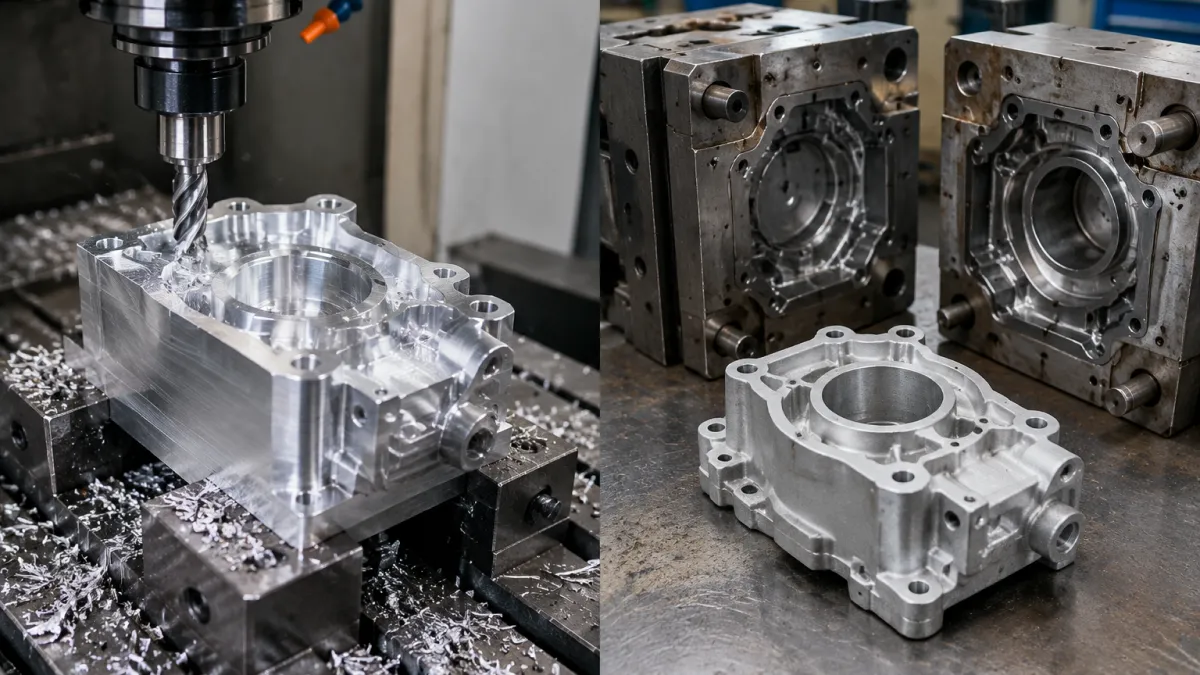
Die casting vs CNC machining is a decision about geometry, production volume, material requirements, and cost structure. CNC machining cuts a part from solid stock and works well for prototypes,…
Cold Chamber Die Casting: Process, Machine Components, and Part Fit
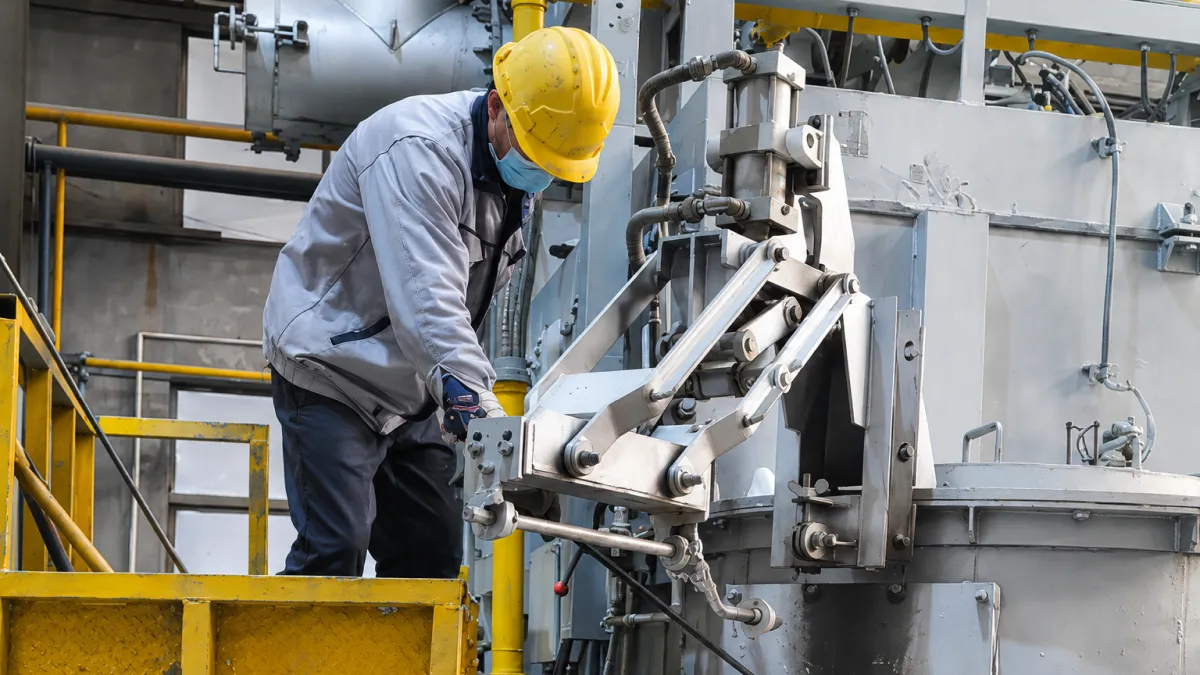
Cold chamber die casting is the high-pressure route used when the alloy would damage an injection system left in continuous contact with molten metal. The alloy is melted in a separate furnace,…
Hot Chamber vs Cold Chamber Die Casting: How to Choose the Right Process for Your Part
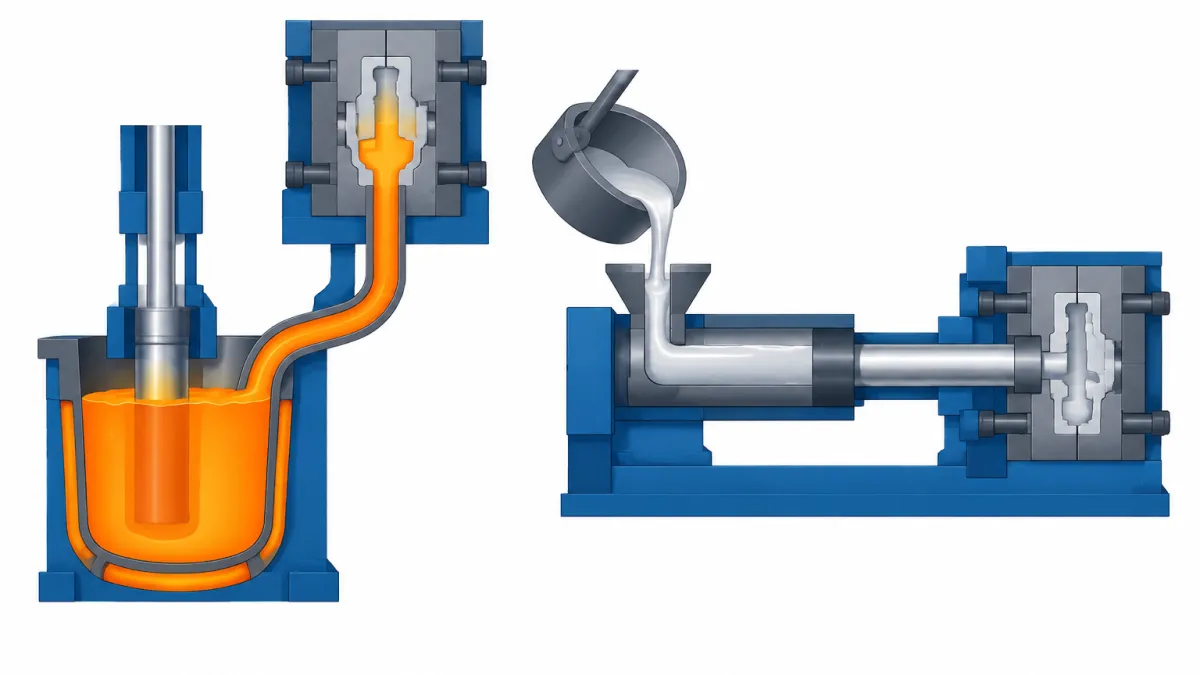
The difference between hot chamber and cold chamber die casting comes down to one design decision: where the metal melts. In hot chamber die casting, the injection mechanism sits inside the molten…
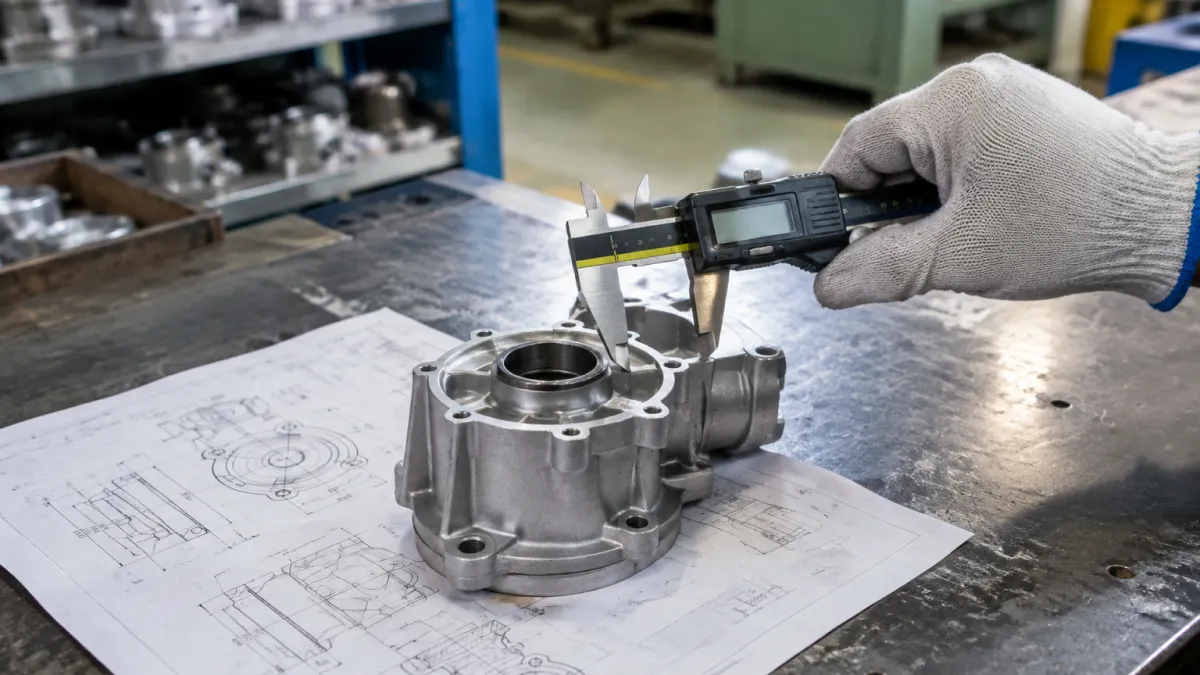
Die Casting Tolerances: NADCA Standards, Charts, and Calculation Examples
How tight a tolerance can a die casting hold? For most aluminum and zinc parts, the NADCA standard answer is ±0.010 in (±0.25 mm) on the first inch, plus ±0.001 in (±0.025 mm) for each additional…
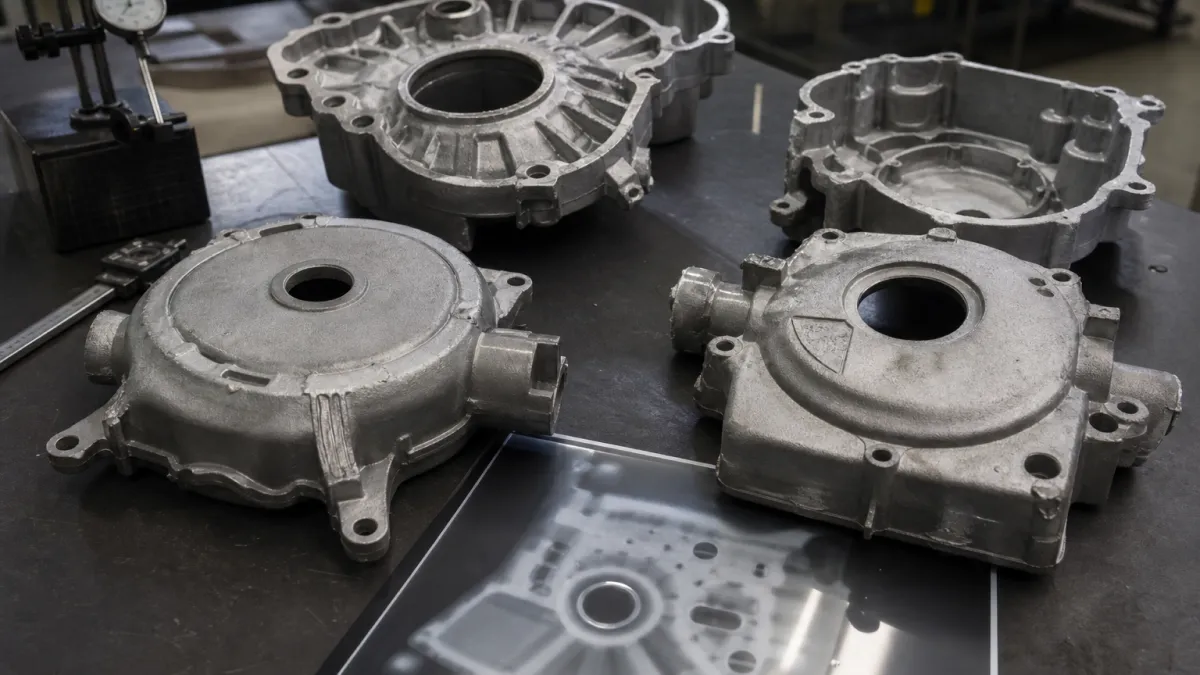
Die Casting Defects: 12 Common Types, Causes, and Solutions
Die casting defects are surface, internal, or dimensional irregularities caused by filling, solidification, tooling, or process parameter problems. In high-pressure die casting, where the cavity…
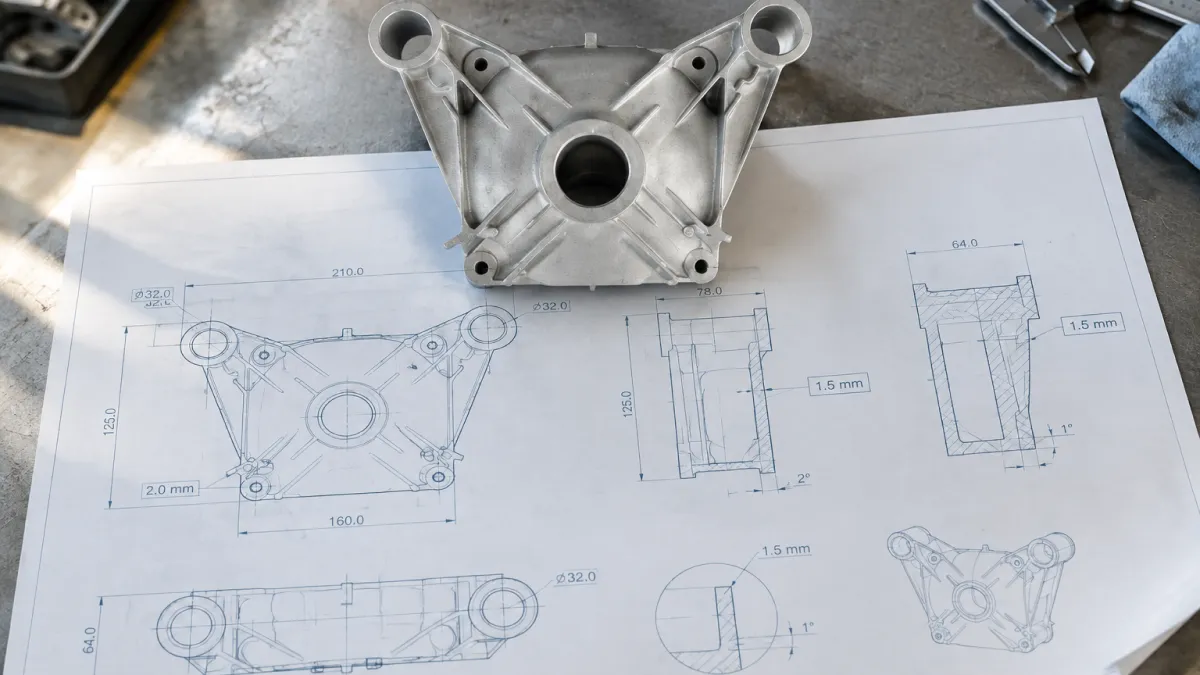
Die Casting Design Guide for Aluminum Parts: DFM Rules, Tolerances, and Cost Drivers
Most die casting problems are paid for twice — once on the drawing, and again when the mold has to be reworked. A 5 mm wall where 2.5 mm would do stretches cycle time and traps shrinkage porosity; a…
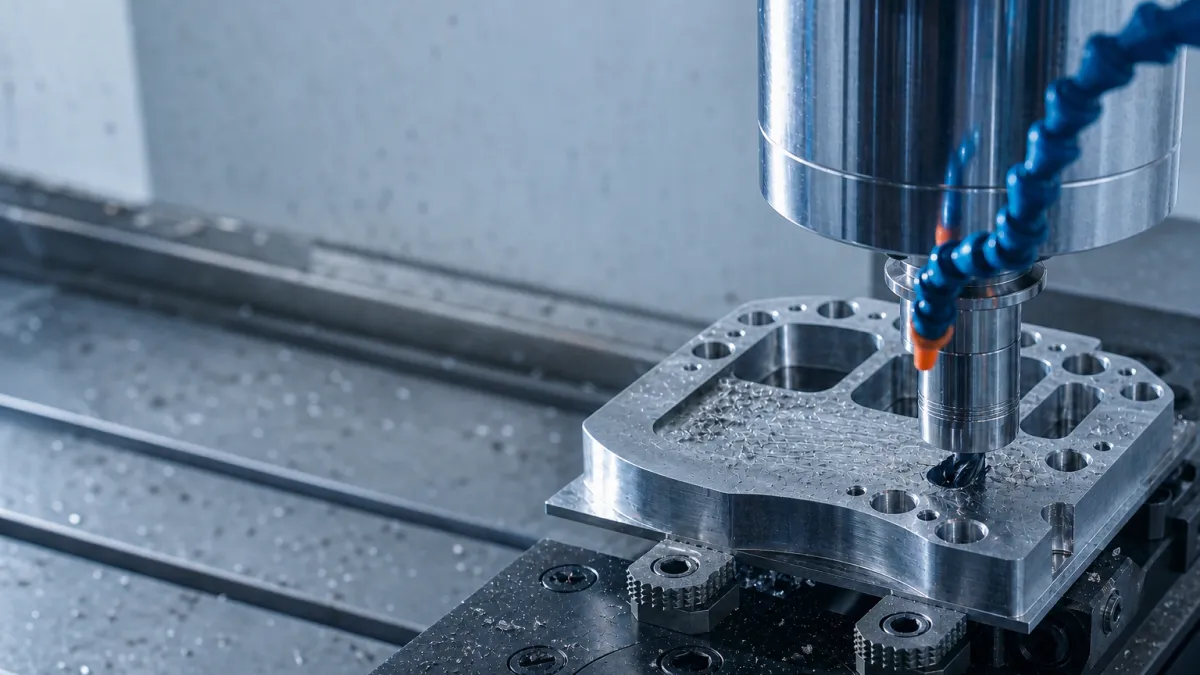
Die Casting Mold Design: Components, Key Decisions, and Tooling Cost
Die casting mold design is the engineering of the hardened steel tool that shapes molten metal under high pressure â covering the cavity and core inserts, the gating and runner system, vents and…

What Is Die Casting? Process, Materials, and How to Specify Your Part
Die casting is a metal casting process that injects molten metal into a reusable steel mold — the die — under high pressure, typically 10 to 175 MPa. The metal solidifies within seconds and is…

LM25 Aluminum Casting Alloy: Properties, Equivalents, and Specification
A purchasing manager sends a UK drawing marked "LM25-TF to BS 1490" to three suppliers. One quotes A356, one quotes ADC12, and one replies asking whether LM25 is a typing error. Two of them are about…

Contact Our Metal Manufacturing Team
Discuss your OEM project with our metal manufacturing experts — we provide custom die casting, machining, and fabrication solutions tailored to your design.